

AI ordering
≈40%
Reduction in ordering time
A convenience store chain reduced ordering time by about 40% after introducing AI ordering.
Retail
ActelosAI helps retail teams scope and build AI applications for replenishment, store operations and customer journeys. Start with an everyday question: is the product available, can the store respond, and will the online promise hold? Connect merchandise, inventory and store work around that decision.
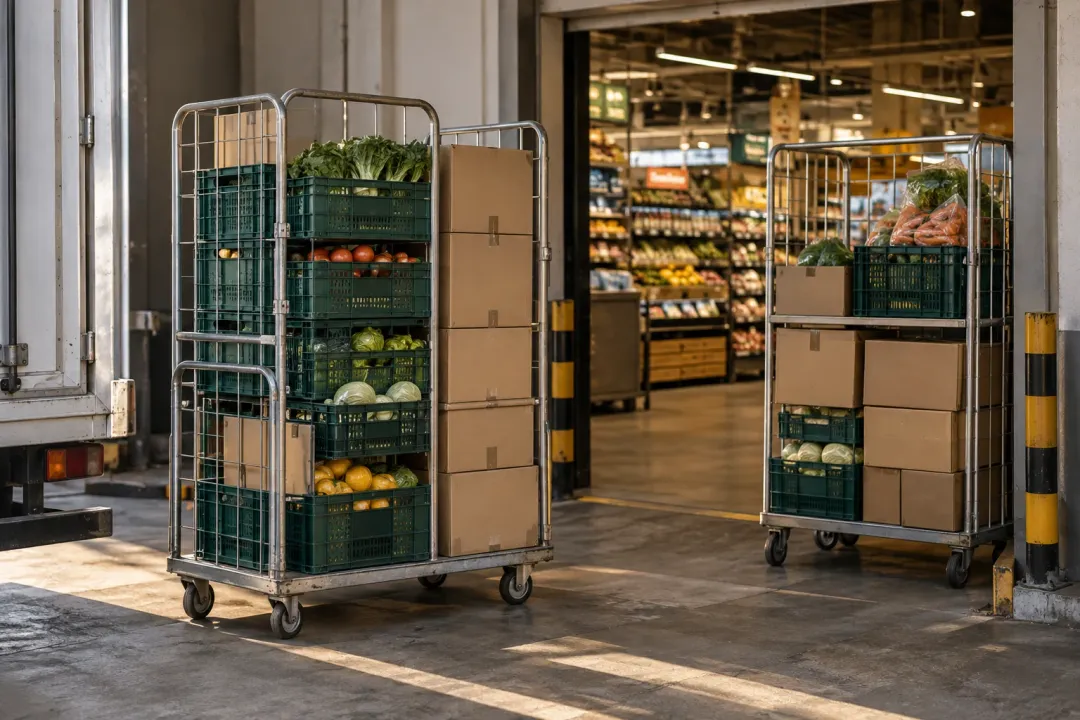
Some products sell out while others sit in stock. What should the next order change?
02Support the storeWhat needs to reach the shelf today, and which exceptions need the manager’s attention?
03Help customers chooseOnce customers find a product, what information do they need to choose confidently?
The operating challenge
A sales change may reflect demand, a stockout, shelf presentation or campaign execution. Promotional sales need to be considered alongside discounts, waste and remaining inventory. Stock in a system still needs to be checked for availability and timely fulfilment.
Start with one specific task. Help teams understand the causes and turn recommendations into everyday store work.
AI transformation outcomes
AI ordering
≈40%
A convenience store chain reduced ordering time by about 40% after introducing AI ordering.
Fresh food operations
3→1cycles per day
A major supermarket chain used AI to support fresh food clearance, reducing daily markdown cycles from three to one.
Store task management
90→30minutes
A major retailer used AI to support overnight stocking shift planning. Store leaders’ early estimates put planning time at 30 minutes, down from 90.
AI in everyday retail
These are application directions to design and validate together, using your retail format, business data and existing systems. The responsible teams retain decisions on products, prices, purchasing and customer commitments.
Demand forecasting & replenishment
Combine sales, promotions, stockout records, available stock and inbound inventory with forecasting and replenishment models. AI explains changes and flags lead-time, shelf-life and case-pack constraints, helping planners and buyers focus on exceptions that need judgment.
Store & frontline work
Receiving, shelf replenishment, price changes and customer service compete for attention. AI uses tasks, delivery and shelf feedback to prepare priorities, retrieve current procedures and summarize unfinished handovers, helping managers allocate work and follow up.
Assortment & merchandising
The same product can perform differently across stores. AI brings together sales, feedback and stockout signals, considers shelf space, price bands and product specifications, and prepares comparisons for adding, replacing or retaining products in a small-scale trial.
Pricing & promotions
Did higher sales generate more contribution? How much inventory remains? Compare sales, discounts, costs and write-offs on a consistent basis. AI links campaign and execution records, identifies possible drivers and prepares suggestions for the next review.
Omnichannel orders & fulfilment
Across pickup, delivery, installation and returns, AI brings together order commitments, product availability and handover records. It flags missing items, delays and open issues, preparing follow-up suggestions and customer communication drafts.
Customer understanding & shopping
AI organizes permitted enquiries, reviews and purchase feedback to identify information and service gaps. Grounded in current product information, it helps explain specifications, uses and differences, preparing buying guides and comparisons for store and online teams.
What improvement means
Connect sales, stock, inbound inventory and shelf life. Watch availability alongside write-offs, so extra inventory does not hide the cost of keeping products in stock.
Connect assortment, promotions and purchase feedback. Look at contribution and remaining inventory together to understand which sales changes are worth sustaining.
Connect tasks, handovers and completion. Track total effort, errors and customer waiting to see whether work has merely moved elsewhere.
Compare measures within the same business scope against an actual baseline. These improvement directions are not projected returns.
Related experience
Hero Market · Malaysia
Case presented in collaboration with Opxiq
An AI demand forecasting agent combines sales, inventory and store requirements to generate daily replenishment recommendations. Procurement reviews them and completes approval in the ERP. Warehouse, distribution and store receiving data feed back into planning.
Explore the caseRetail formats
Consider stores and online channels together. Let the business problem and current conditions define the starting point.
Start with frequent replenishment, shelf availability and promotion response. Use batch, remaining shelf-life and waste records to examine availability alongside the inventory burden.
Start with sizes, colours, specifications, compatibility and buying questions. Connect assortment, assisted selling and fulfilment. For home products and durable goods, include installation and after-sales service.
Meet the experts
Find the right expertise for your merchandise, operations and systems questions.

Expert Partner, Consumer Goods Industry Lead
Connect customer insight, category strategy and product innovation, using operating data to support growth decisions, commercial execution and AI adoption.
Managing Director, Gaoyan
View expert profile
Expert Partner, AI-Native Transformation & Enterprise Delivery Lead
Align retail business priorities, product direction and cross-functional delivery, turning transformation topics into coordinated team action.
Expert Partner, Gaoyan
View expert profile
Expert Partner, Supply Chain & Operations Lead
Connect supply chain and distribution operations with commercial feasibility and regional execution conditions, clarifying the work and conditions needed for change.
Founder & CEO, Opxiq
View expert profileBefore we begin
Retail is the industry context; replenishment, store execution and assisted shopping are different starting points. Choose the work your team wants to improve before choosing the technology.
Choose one store group, category or customer journey, with a named business owner. For replenishment, bring sales, available stock, inbound orders and shelf-life constraints. For store work, start with tasks and handovers. Agree how recommendations will be reviewed before purchasing or customer commitments change.
Agree the output and comparison period for that workflow. A replenishment trial can examine availability alongside write-offs; a store-work trial can examine preparation and review effort alongside completion. Use your own baseline rather than treating a published case result as a forecast for your stores.
Tell us what you want to improve, how the team handles it today and what data could help. Together, we can define a scenario worth testing and how to tell whether it makes a difference.